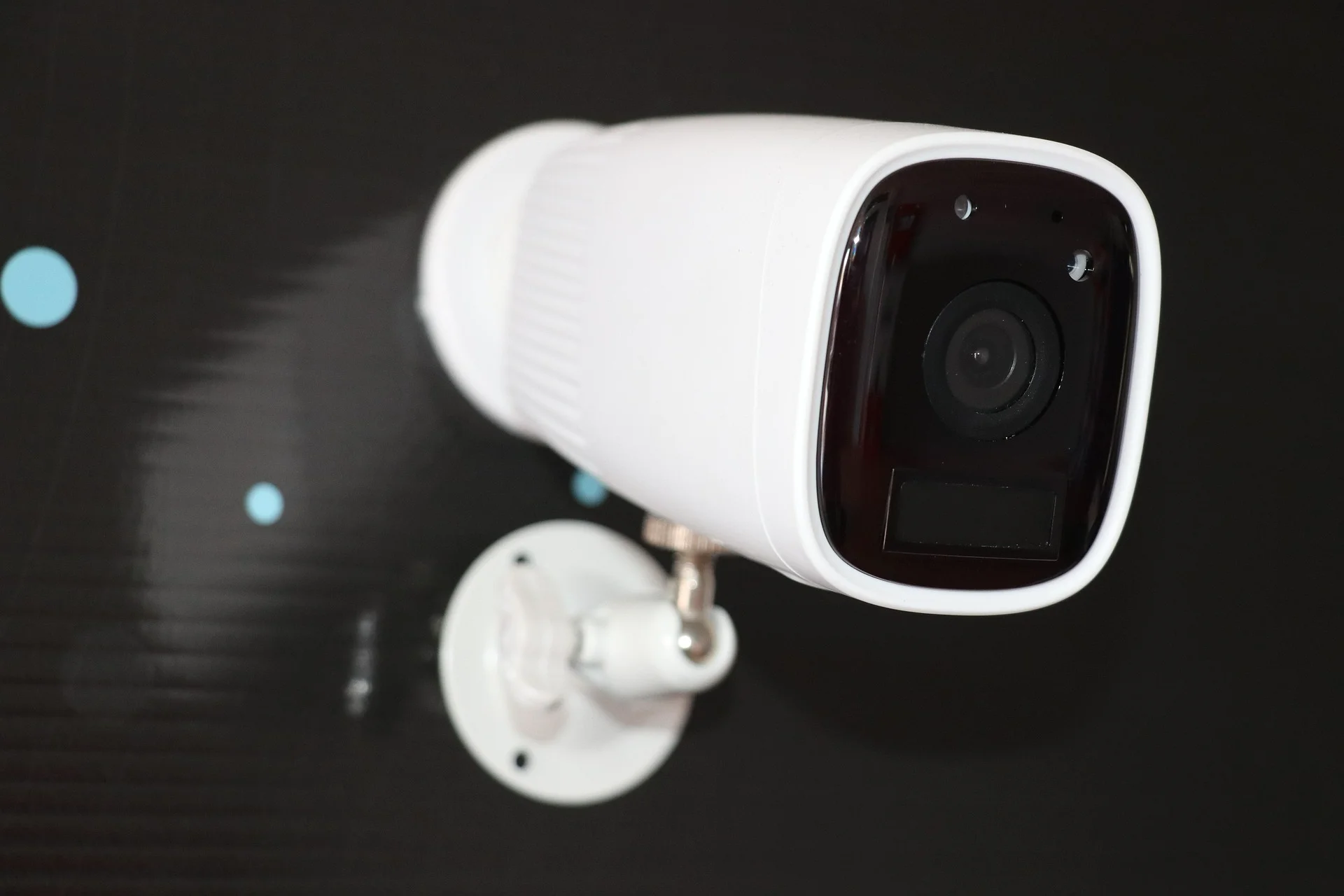
FAQ for Domestic CCTV Customers
Installing home security cameras is a great way to protect your property but it can be tricky to find the right balance between effective security and privacy. This can leave many homeowners feeling unsure about how to comply with UK data privacy regulations while still enjoying the benefits of security cameras.
Protecting Your Home While Staying Compliant with UK Regulations
Thinking about installing CCTV, but unsure how privacy laws or neighbour boundaries affect your setup? Below, the team at P.E.S. Fire & Security Systems breaks down what you need to know to ensure your home security system is effective, practical, and fully compliant, we’ve answered the most common questions domestic customers ask about UK privacy laws, planning permissions, and getting the right coverage.
Can I Have CCTV Cameras on the Front of My House If I Live on a Main Road or Have Neighbours Opposite?
The short answer is yes. In most cases, you can install CCTV cameras at the front of your home, even if you live on a busy road or have neighbouring properties opposite. CCTV is a popular and effective way to help protect your home, vehicles, and family.
However, there are a few important privacy rules to be aware of.
What Does the Law Say?
The Information Commissioner’s Office (ICO) advises that where possible, cameras should be positioned to capture only your own property. However, on many homes this simply isn't practical, particularly if you live on a main road or want to monitor a driveway, front garden, or vehicles parked outside. If your cameras also capture part of a public footpath, road, or a neighbour's property, UK data protection laws may apply.
If your cameras also capture part of a public footpath, road, or a neighbour's property, UK data protection laws may apply and the system may have to be registered with the ICO Guidance for Organisations using CCTV.
When You Might Need to Comply with Rules?
You may have legal responsibilities—and potentially need to register as a data controller if your system captures areas beyond your property boundary:
e.g. public streets, public footpaths, or neighbouring gardens.
What Should I Do If My CCTV Captures Public Areas?
If your cameras record beyond the boundary of your property, the ICO recommends that you:
• Have a legitimate reason for using CCTV, such as protecting your property.
• Position cameras to minimise unnecessary recording of neighbouring homes or public areas.
• Use privacy masking features where available.
• Keep recordings secure and only retain footage for as long as necessary.
• Display CCTV signage where appropriate. [gov.uk], [ico.org.uk]
Will I Need Planning Permission?
In most domestic situations, CCTV cameras can be installed without planning permission. However, additional restrictions may apply if your property is a listed building, located within a conservation area, national park, or area of outstanding natural beauty. If you're unsure, it's always worth checking with your local planning authority.
Our Advice
Every property is different. At PES Fire & Security Systems, we design CCTV systems that provide excellent coverage while respecting privacy and helping homeowners comply with current guidance. If you're unsure where cameras can be positioned, our team can carry out a survey and recommend the most suitable solution for your home.

Call Today!
Swansea 01792 70 20 20
Bridgend 01656 25 33 40